
The Symbolism of the Dandelion
Fahrenheit 451The dandelion appears as a symbol of love, truth, and the natural world, used by Clarisse to reveal Montag's emotional state.
increasing Bearing strength in each event
 decreasing
Bearing strength in each eventdecreasingThe Dandelion Test
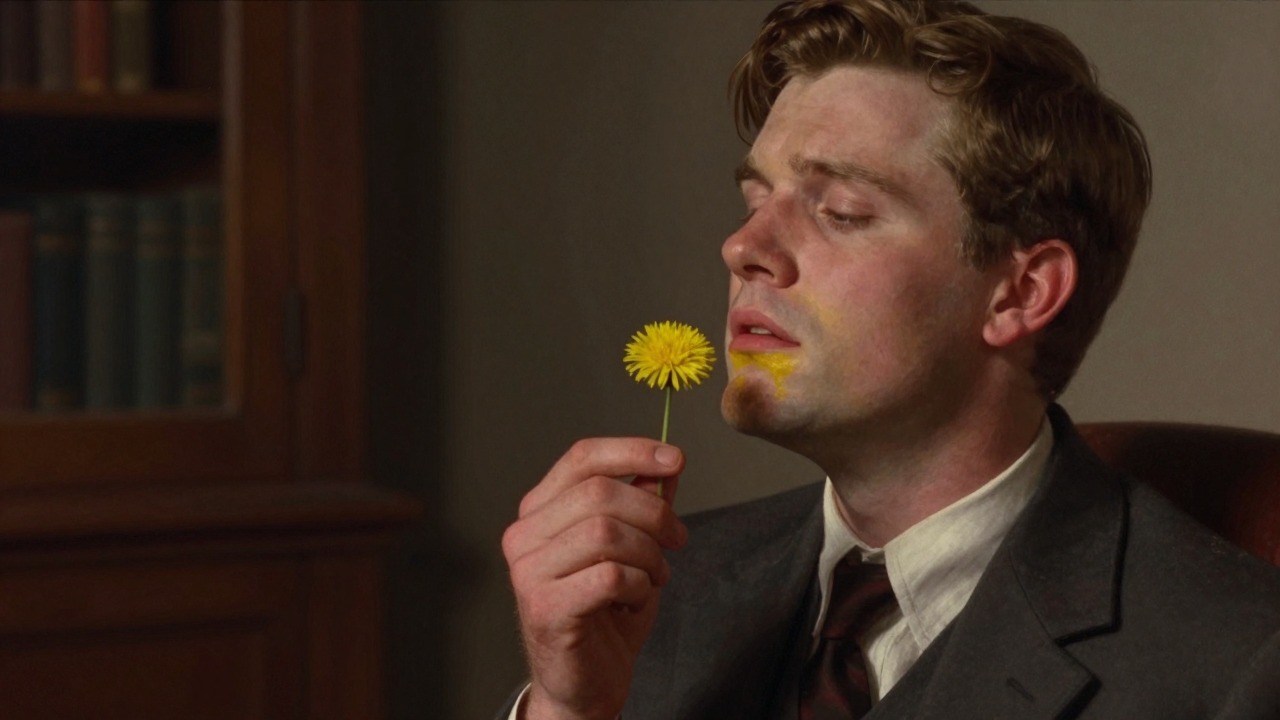
The Yellow Flower
The Ritual
Clarisse rubs a dandelion under Montag's chin. If it leaves a yellow mark, it means he is in love. The test shows no mark, confirming he is not in love.
Montag's Denial
Montag protests that he is in love, but he cannot conjure up a face to match the words. The dandelion reveals the truth he has been hiding.
The Symbol of Nature
The dandelion is a natural object, a reminder of the world outside the city. Clarisse uses it to connect Montag to his own feelings.
The Dandelion as a Memory
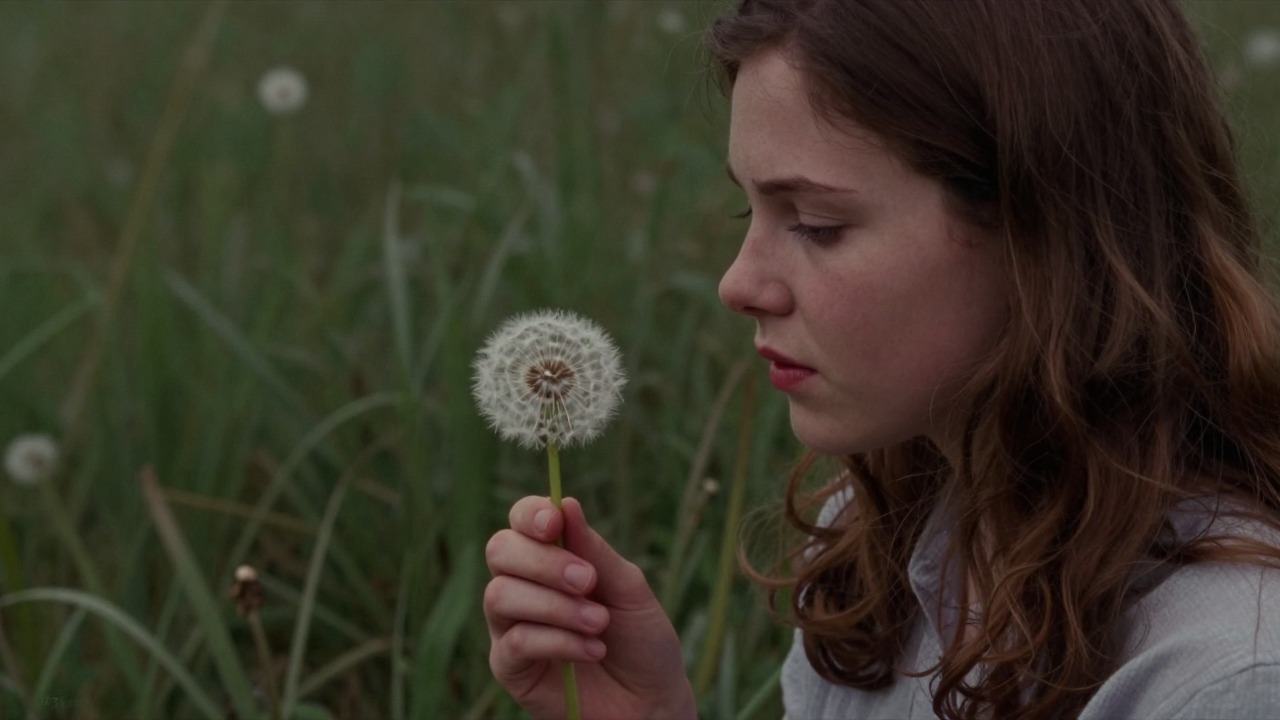
The Lingering Image
The Summation of Emptiness
Montag recalls the dandelion test and thinks it summed up everything. The flower showed him that he was not in love with anyone, including Mildred.
The Loss of Innocence
The dandelion also represents Clarisse, who was like a wildflower in a sterile world. Her death makes the memory of the dandelion bittersweet.
The Call to Action
The dandelion's failure to mark him is a wake-up call. Montag realizes he must change his life. The flower is a catalyst for self-awareness.
The Dandelion's Absence

The Vanished Flower
No More Dandelions
After Clarisse is gone, Montag never sees a dandelion again. The natural world is absent from his life until he reaches the countryside.
The Return of Nature
At the river, Montag begins to smell hay, grass, and earth. The dandelion's spirit returns in the form of the wild landscape. He is finally in touch with the natural world.
The Healing
The dandelion was a small, fragile thing, but it represented everything that was missing. By the end, Montag is surrounded by nature, and he is ready to heal.
One of the early encounters with Clarisse
After Clarisse's death, when Montag reflects
Throughout the rest of the story
